Loading organizations...
Loading organizations...
Morgan Stanley is a global financial services firm, providing investment banking, securities, wealth management, and investment management. It offers strategic financial advice, capital raising, and market access to institutional and individual clients. The firm leverages an integrated platform to deliver comprehensive advisory, underwriting, and financial planning globally.
Founded in 1935 by Henry Morgan and Harold Stanley, the firm arose from the financial restructuring of the Glass-Steagall Act. These former partners of J.P. Morgan & Co. sought an independent investment banking firm. Their insight prioritized integrity and dedicated client service within the re-regulated financial landscape post-Great Depression.
Morgan Stanley serves global corporations, governments, and high-net-worth individuals, facilitating their financial goals. Its vision centers on delivering first-class business with integrity, aiming to be a premier global financial advisor and capital provider. The firm commits to fostering economic prosperity and client success through sustained performance in dynamic global markets.
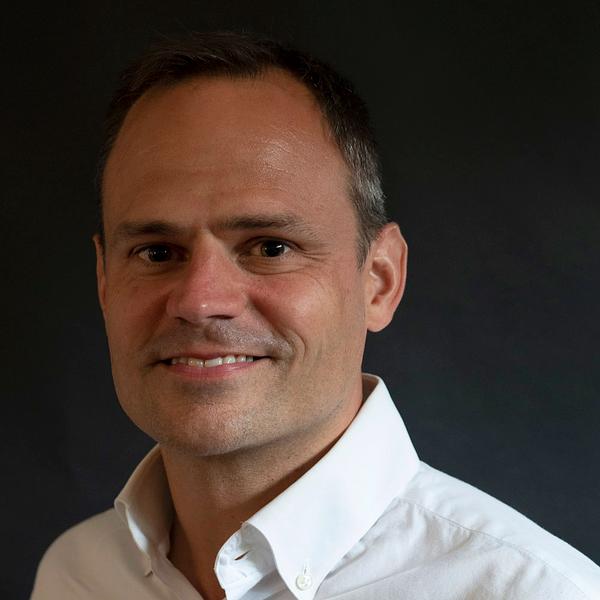
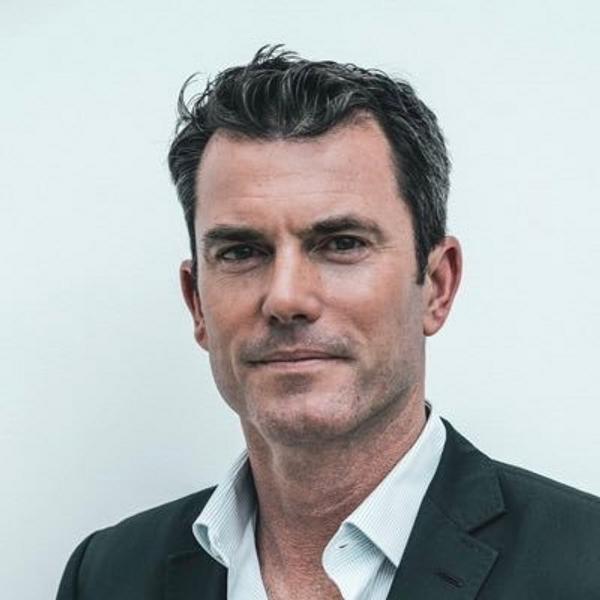
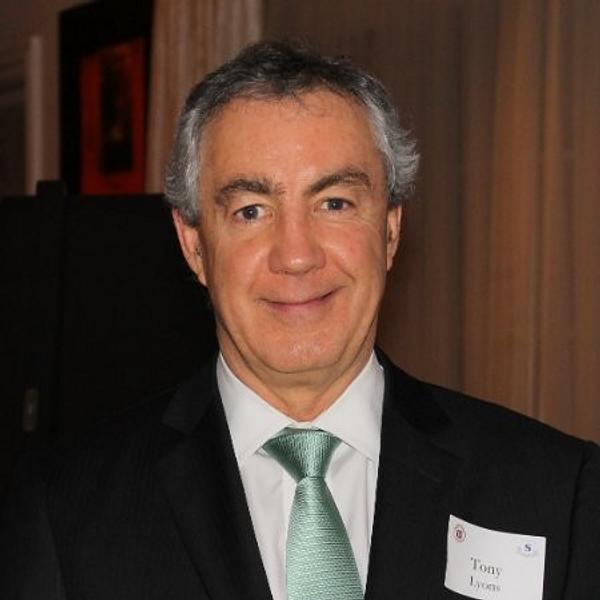
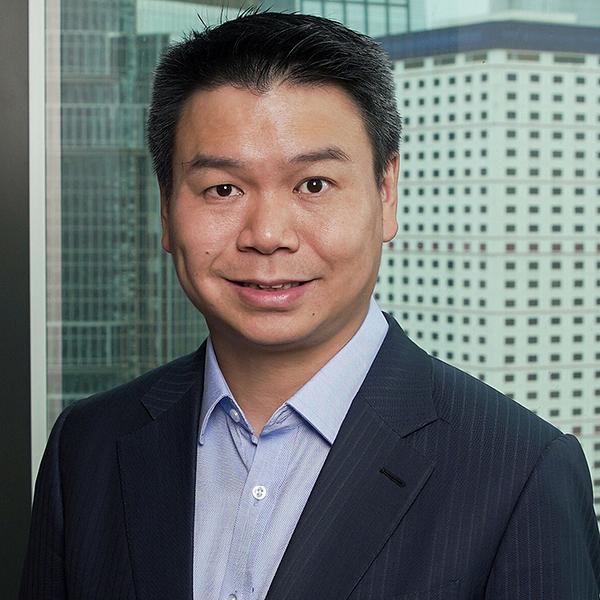
Key people at Morgan Stanley.
Morgan Stanley was founded in 1935 by Vikram Raju (Founder).
Morgan Stanley was founded in 1935 by Vikram Raju (Founder).
Morgan Stanley is a leading American multinational investment bank and financial services firm headquartered in Midtown Manhattan, New York City, with over 80,000 employees operating in more than 40 countries.[1][2][3] Its mission is to help individuals, families, institutions, and governments raise, manage, and distribute capital to achieve their goals, guided by core values like putting clients first, doing the right thing, leading with exceptional ideas, committing to diversity and inclusion, and giving back.[1][5] The firm focuses on three key business segments: Institutional Securities (investment banking, sales, trading, lending, and research), Wealth Management, and Investment Management, emphasizing integrated solutions with cutting-edge technology and 90 years of expertise.[1][3] In the startup ecosystem, Morgan Stanley influences growth through financing, advisory services, and capital mobilization for corporations and high-net-worth individuals, while committing to sustainability goals like net-zero financed emissions by 2050.[1]
With a market cap of $210.32 billion in January 2025, annual revenue of $103.15 billion, and net income of $13.4 billion in 2024, Morgan Stanley maintains a strong track record as a systemically important global player.[1][3]
Morgan Stanley was founded on September 16, 1935, as a partnership by Henry Sturgis Morgan (a grandson of J.P. Morgan), Harold Stanley, and other partners from J.P. Morgan & Co., in direct response to the Glass-Steagall Act, which separated commercial and investment banking.[1][3] Starting with just 13 staff and capturing a 24% U.S. market share in public offerings and private placements in its first year ($1.1 billion), the firm quickly established itself as an innovator.[2][3]
Its evolution included pioneering the first viable computer model for financial analysis in 1962, expanding into Europe via Morgan & Cie International in 1967, and entering real estate through acquisitions like Brooks, Harvey & Co.[3] A pivotal merger with Dean Witter Discover & Co. in 1997 created Morgan Stanley Dean Witter (renamed Morgan Stanley in 2001), broadening its retail and wealth management reach; it later spun off Discover Financial in 2007.[3] Today, under CEO Ted Pick, it reflects a dynamic culture of innovation and client focus over 90 years.[1][2]
Morgan Stanley stands out in the investment banking landscape through these key strengths:
Morgan Stanley rides the wave of digital transformation in finance, leveraging its early 1962 computer model for analysis—which sparked trends in fintech modeling—and ongoing integration of cutting-edge technologies across segments.[1][3] Timing aligns with rising demand for AI-driven risk management, sustainable investing, and capital mobilization amid geopolitical shifts and climate goals, where its net-zero commitment positions it favorably.[1]
Market forces like regulatory evolution (post-Glass-Steagall) and mergers (e.g., 1997 Dean Witter) have expanded its influence, enabling it to shape the ecosystem by financing tech startups, advising on IPOs, and providing research that informs venture trends.[3] As a systemically important bank, it influences broader tech adoption in wealth tech, institutional trading platforms, and ESG investing, amplifying startup growth through capital access and expertise.[3]
Morgan Stanley is poised for sustained leadership by doubling down on tech-enabled wealth management and sustainable finance, with trends like AI analytics, regulatory net-zero mandates, and diversified revenue streams shaping its path.[1][3] Expect deeper AI integration for predictive modeling, expansion in emerging markets, and enhanced operating support to attract top talent amid competition from fintech disruptors.
Its evolution from a 13-person partnership to a $210B powerhouse underscores enduring client focus—positioning it to mobilize capital for tomorrow's innovations, much like it did in its founding era.[2]
Key people at Morgan Stanley.