
Loading organizations...
Loading organizations...

Uber is a company.
Uber Technologies operates a global technology platform delivering multi-modal transportation and logistics services. Its core offering connects users with independent providers for on-demand ridesharing, food delivery via Uber Eats, and freight solutions. Leveraging proprietary applications, the company matches demand with its network of drivers and couriers, using advanced mapping and real-time dispatch to optimize urban mobility and commerce.
Founded in March 2009 by Garrett Camp and Travis Kalanick, Uber originated from the founders' observation of urban transport inefficiencies. Camp conceived the idea after difficulty finding a taxi, sparking the vision for a mobile-enabled, on-demand car service. Kalanick then played a pivotal role in scaling this concept into a global platform.
Uber’s platform serves individuals needing transport, diners ordering meals, and businesses requiring delivery and logistics. The company's vision centers on reimagining movement of people and goods, striving for accessibility and seamlessness. Uber commits to evolving its services to meet future urban demands and championing sustainable mobility.
Uber has raised $12.7B across 17 funding rounds.
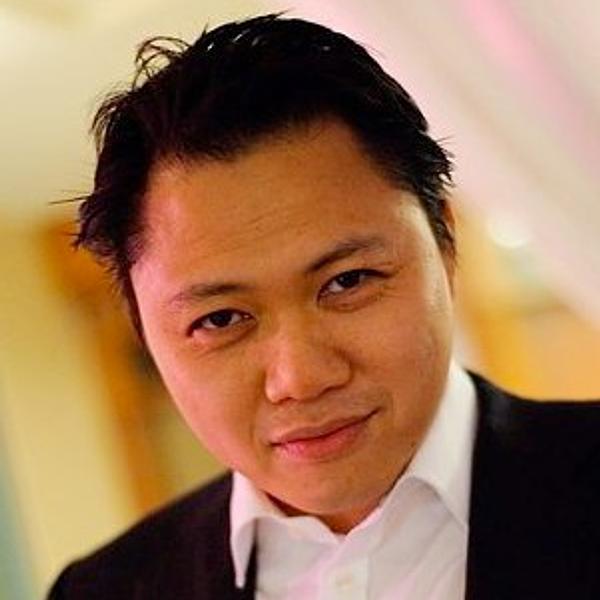
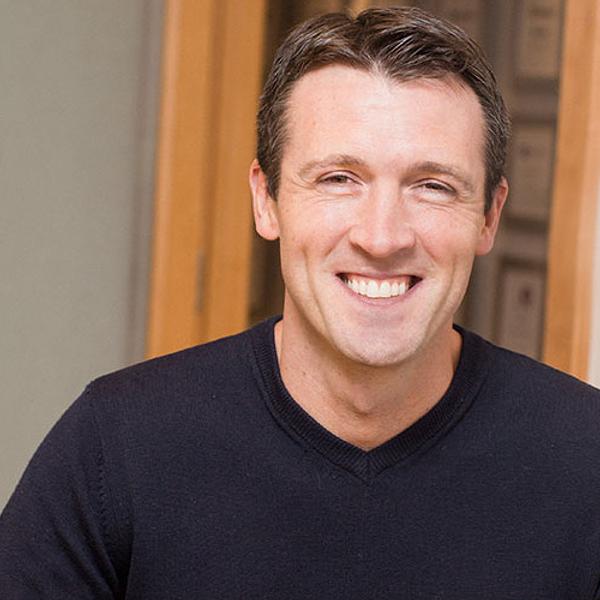
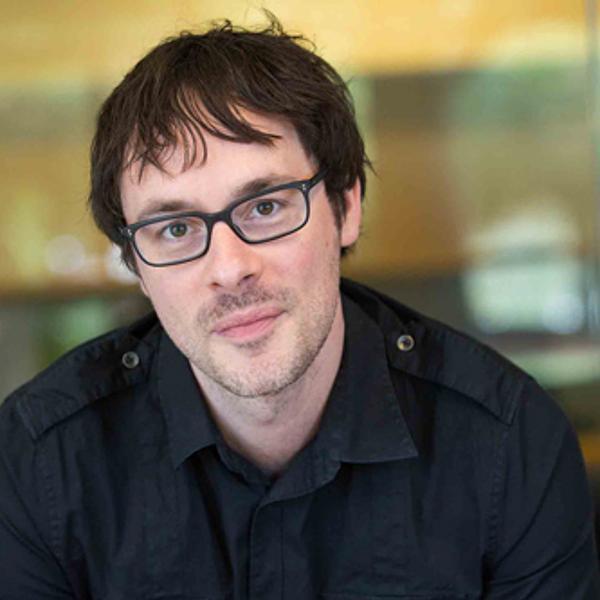
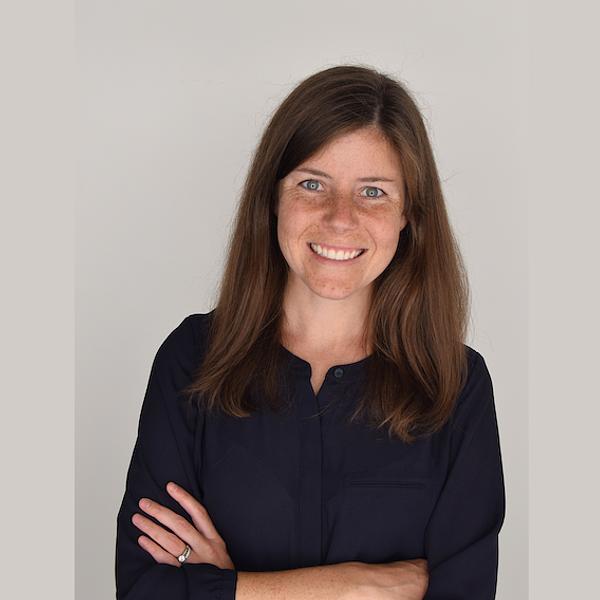
Key people at Uber.
Uber was founded in 2009 by Samuel Yuk Lai Suen (Founder/Engineering Manager, Driver Intelligence) and Oscar Salazar (Co-Founder).
Uber has raised $12.7B in total across 17 funding rounds.
Uber was founded in 2009 by Samuel Yuk Lai Suen (Founder/Engineering Manager, Driver Intelligence) and Oscar Salazar (Co-Founder).
Uber has raised $12.7B in total across 17 funding rounds.
Uber's investors include Hiroyuki Wakabayashi, Shigeki Tomoyama, Rajeev Misra, Toyota Motor Corporation, Dragoneer Investment Group, Yasir Al Rumayyan, Alexey Reznikovich, Baidu, Bennett Coleman and Company, Microsoft, American Express Ventures, BoxGroup.
# High-Level Overview
Uber is a ride-hailing and mobility services platform that fundamentally transformed urban transportation by enabling users to request rides through a smartphone application[1]. Founded in 2009, the company operates a two-sided marketplace connecting riders with drivers, initially focusing on premium black-car services before expanding to include UberX (standard vehicles), food delivery, package delivery, and freight transportation[1][5].
The company's core mission centers on making transportation more convenient, transparent, and accessible. Uber solves critical pain points in traditional taxi services: limited availability, unpredictable wait times, and opaque pricing[3]. By 2019, when Uber went public, it had become a global transportation giant operating across multiple continents and service categories[1].
The Uber story began with frustration. In December 2008 (or 2009, depending on the source), Garrett Camp and Travis Kalanick found themselves stranded in Paris on a snowy evening, unable to hail a taxi[1][4]. This moment sparked a deceptively simple question: "What if you could request a ride simply by tapping your phone?"[4]
Camp, already a millionaire from co-founding StumbleUpon, began prototyping what was initially called "UberCab" in 2009[1][3]. Kalanick, a successful entrepreneur himself, initially hesitated about the venture but eventually joined as "Chief Incubator"[3]. The founding team also included Oscar Salazar and Conrad Whelan, who helped build the prototype[1]. By early 2010, they were testing the service in New York with just three cars[3].
The official public launch occurred in San Francisco in May 2010 (with some sources citing June 2010)[1][2]. The service was revolutionary for its time: users could hail a ride directly from their phone with transparency around pricing and driver information. Though rides cost approximately 1.5 times that of a traditional taxi, the convenience resonated immediately with San Francisco's tech-savvy, car-averse urban professionals[1][2][5].
Uber exemplifies the platform economy and the "sharing economy" trend that gained momentum in the 2010s. The company rode the wave of smartphone adoption, mobile payment infrastructure maturation, and growing urban congestion—all factors that made app-based transportation increasingly attractive[3].
The company's success demonstrated that regulatory arbitrage and network effects could overcome entrenched industries. By prioritizing growth over compliance, Uber forced cities and regulators worldwide to reconsider transportation policy. This approach sparked fierce opposition from traditional taxi industries but also accelerated the modernization of urban mobility[3][5].
Uber's influence extends beyond transportation: it normalized the gig economy model, where independent contractors (rather than employees) provide services through digital platforms. This model became foundational for numerous startups across delivery, services, and logistics[1].
Uber transformed from a Paris-born frustration into a global transportation powerhouse that fundamentally reshaped how cities think about mobility. The company's 2019 IPO validated its business model, though it continues to face challenges around driver compensation, regulatory pressure, and profitability[1].
Looking forward, Uber's trajectory will likely be shaped by three forces: regulatory maturation (as cities establish clearer rideshare frameworks), autonomous vehicle development (which could reshape driver economics), and geographic saturation (requiring deeper penetration in emerging markets or expansion into adjacent services). The company's ability to balance growth ambitions with driver welfare and regulatory compliance will define its next chapter in the global transportation ecosystem.
Key people at Uber.
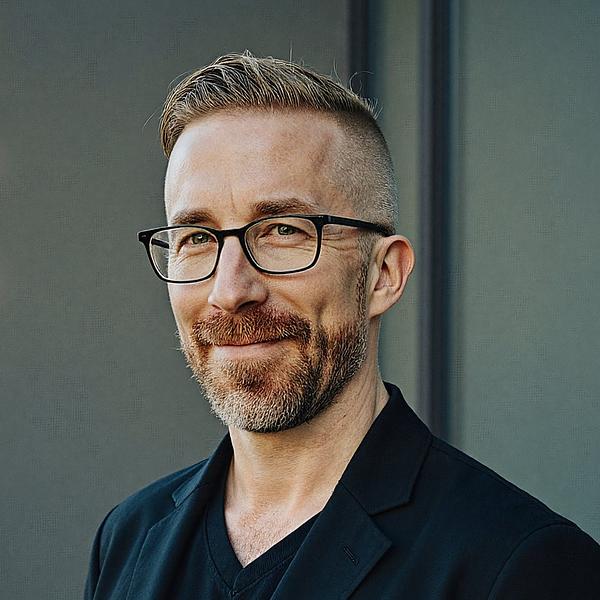

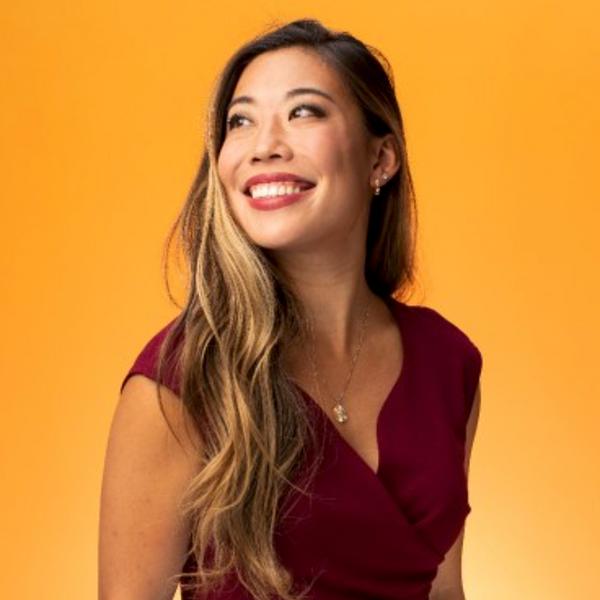
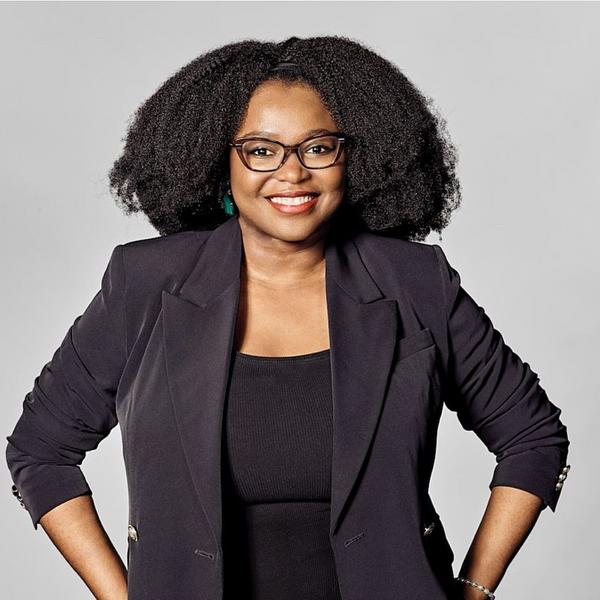
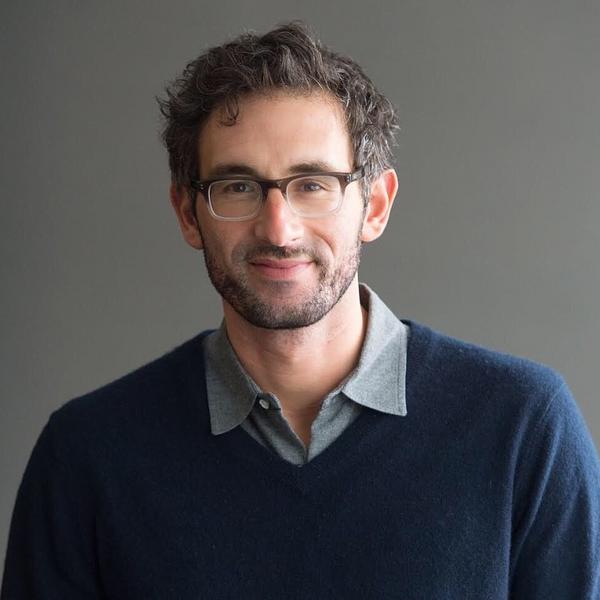

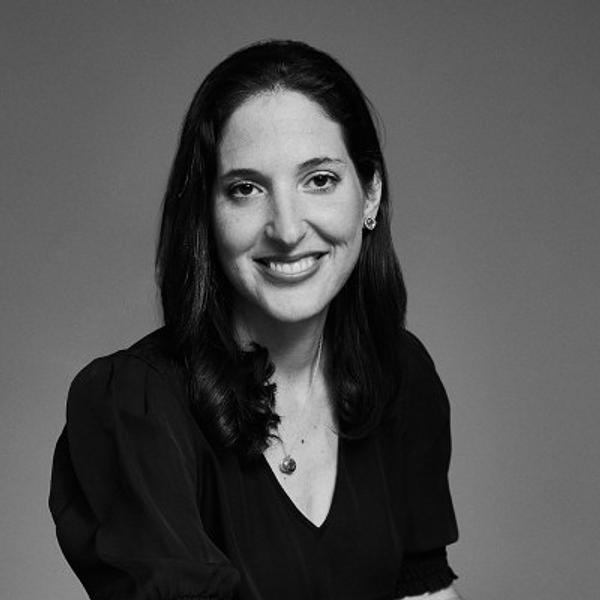

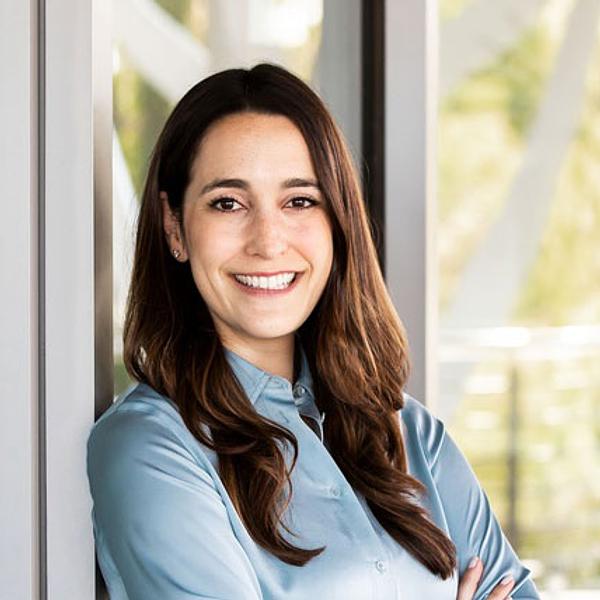
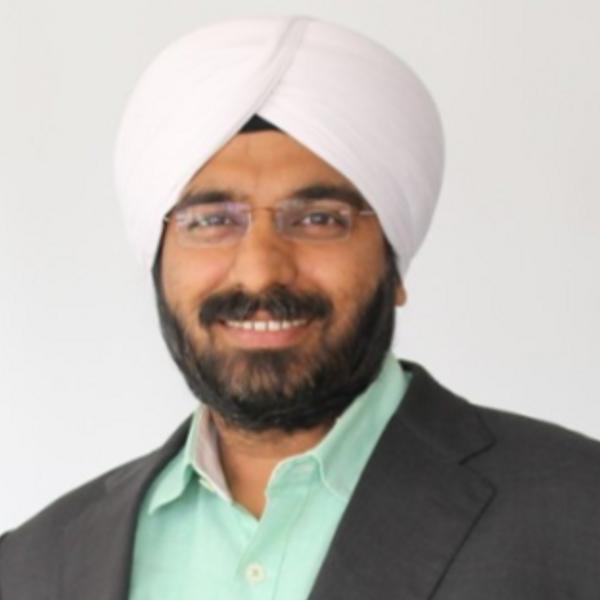
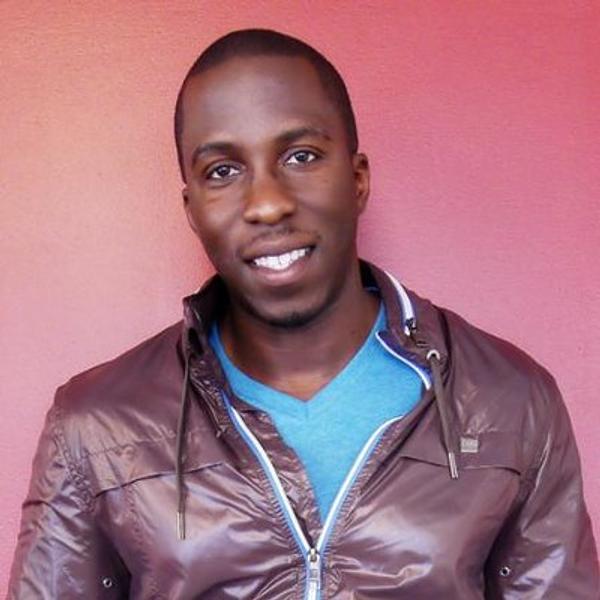
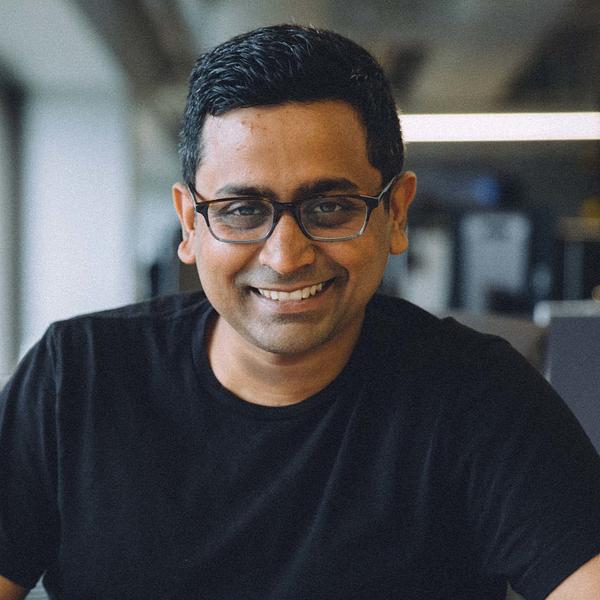

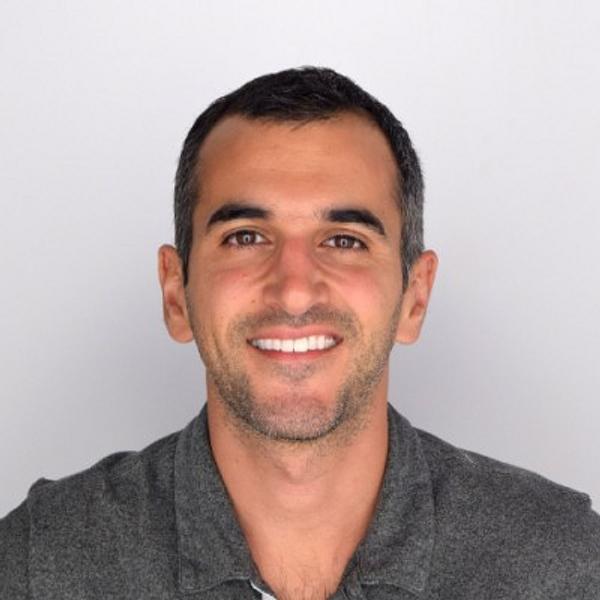










Uber has raised $12.7B across 17 funding rounds. Most recently, it raised $1.0B Other Equity in April 2019.
| Date | Round | Lead Investors | Other Investors |
|---|---|---|---|
| Apr 19, 2019 | $1.0B Other Equity | Hiroyuki Wakabayashi, Shigeki Tomoyama | Rajeev Misra |
| Aug 28, 2018 | $500.0M Other Equity | Toyota Motor Corporation | |
| Jan 18, 2018 | $1.2B Other Equity | Rajeev Misra | Dragoneer Investment Group |
| Jun 1, 2016 | $3.5B Other Equity | Yasir Al Rumayyan | |
| Feb 12, 2016 | $200.0M Other Equity | Alexey Reznikovich | |
| Jan 15, 2016 | $1.2B Uber China - Series B | ||
| Sep 7, 2015 | $1.2B Other Equity | Baidu | |
| Jul 31, 2015 | $1.0B Other Equity | Bennett Coleman and Company, Microsoft | |
| Feb 1, 2015 | $1.0B Series E | American Express Ventures, BoxGroup, Deep Fork Capital, ENIAC Ventures, First Round Capital, FJ Labs, GSV Acceleration, Kamran Ansari, Lead Edge Capital, NextGen Venture Partners, Jeff Richards, Prefix Capital, Rainfall Ventures, Signia Venture Partners, Stellar Capital, David Ko, Gabriel Naouri, Oliver Jung | |
| Jun 6, 2014 | $1.2B Other Equity | BlackRock, Fidelity Management & Research Company, Google Ventures, Kleiner Perkins, Menlo Ventures, Summit Partners, Wellington Management | |
| Aug 23, 2013 | $258.0M Other Equity | David Krane | David Bonderman |
| Aug 1, 2013 | $360.0M Series C | Angelic Ventures, Benchmark, Dreamers VC, Frazier Healthcare Partners, Greylock, GV, Shawn Modarresi, Marcy Venture Partners, Matrix, Glenn Solomon, Propeller VC, QED Investors, Redpoint Ventures, Union Square Ventures, Dan Ciporin, Jay Z, Steve Stoute, Yan-David Erlich | |
| Sep 12, 2012 | $37.0M Series B | Shervin Pishevar | Goldman Sachs |
| Feb 1, 2011 | $11.0M Series A | Benchmark | ALPANA Ventures, Bodega Partners, First Round Capital, Foundry Group, Fyrefly VC, Greylock, Long Journey Ventures, Lowercarbon Capital, Morado Venture Partners, Sequoia Capital, Sound Ventures, TGM, The Hit Forge, Transmedia Capital, Uncork Capital, Y Combinator, Anthony Soohoo, Erik Moore, Alfred Lin |
| Oct 15, 2010 | $1.3M Seed | Rob Hayes | Alfred Lin, Babak Nivi, Cyan Banister, David Cohen, Jason Calacanis, Jason Port, Josh Spear, Mike Walsh, Mitchell Kapor, Naval Ravikant, Oren Michels, Scott Banister, Shawn Fanning, Founder Collective, Lowercase Capital |
| Aug 1, 2009 | $200K Seed | 10100, Audrey Capital, Expa, Techstars, Tim Ferriss |