Loading organizations...
§ Private Profile · 200 West Street, New York, New York 10282, US
provides investment banking, securities trading, and asset management for corporations and institutions.
Goldman Sachs Investment Bank, based in New York City, New York, United States, is a leading global financial institution offering investment banking, securities trading, asset management, and consumer banking services. The firm manages assets exceeding $900 billion as of 2018, having evolved from its early focus on commercial paper trading to a comprehensive financial advisory and underwriting powerhouse. It completed its initial public offering in 1999 and transitioned to a bank holding company in 2008, later launching its consumer banking platform, Marcus by Goldman Sachs, in 2016. Notable individuals associated with its development include founder Marcus Goldman, early partners Samuel Sachs and Henry Goldman, and long-serving senior partner Sidney J. Weinberg. The institution was established in 1869 by Marcus Goldman.
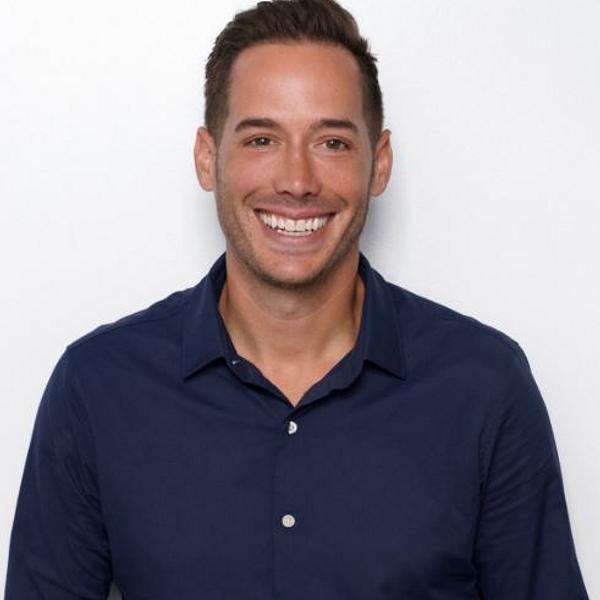
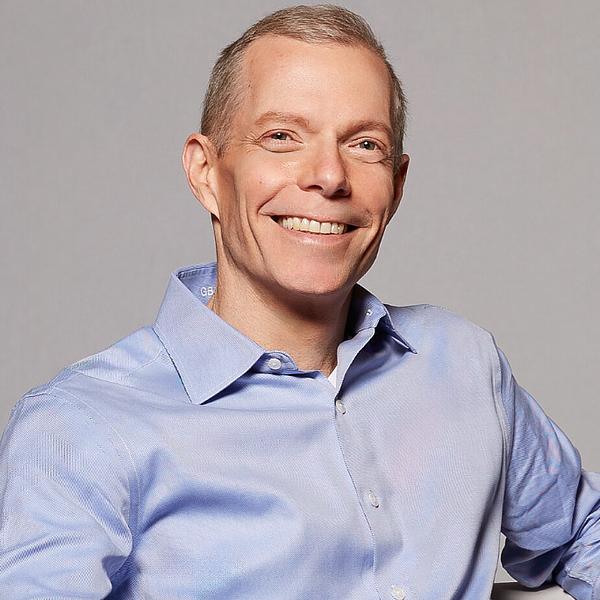
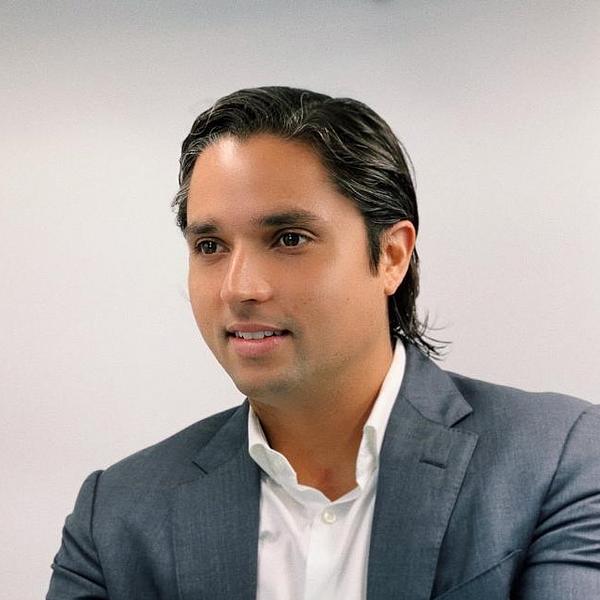
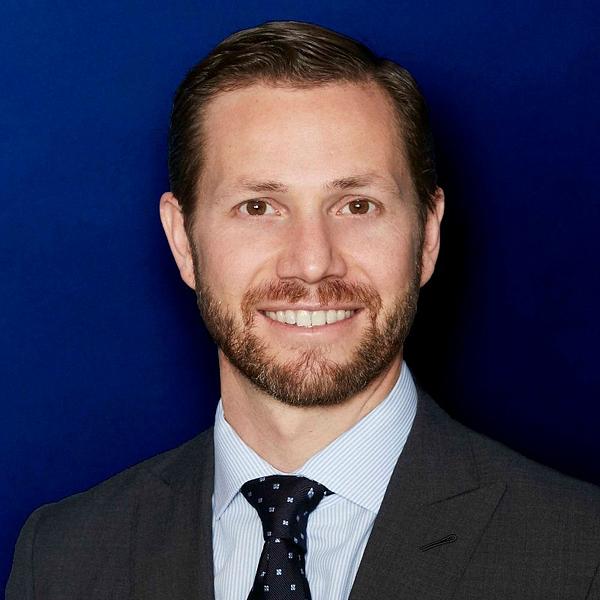
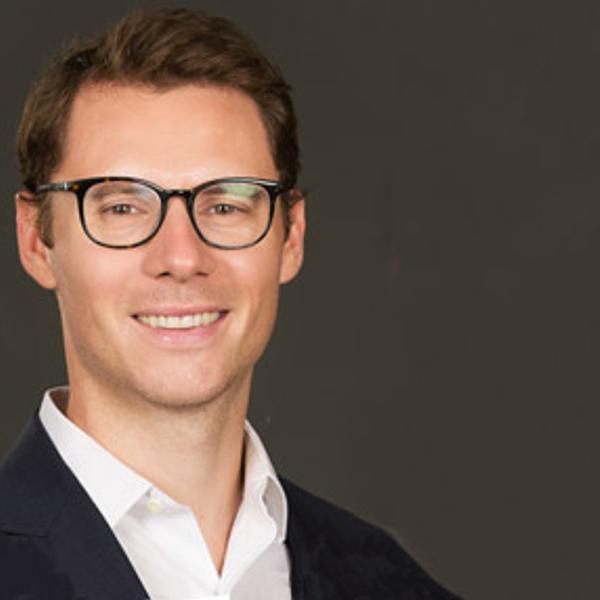
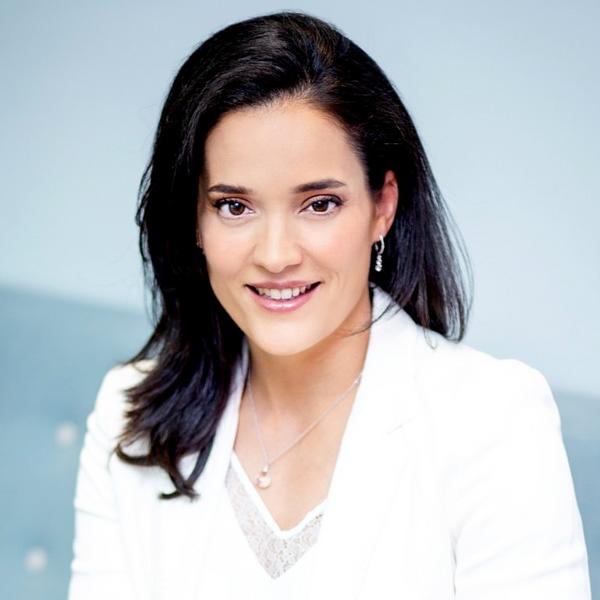
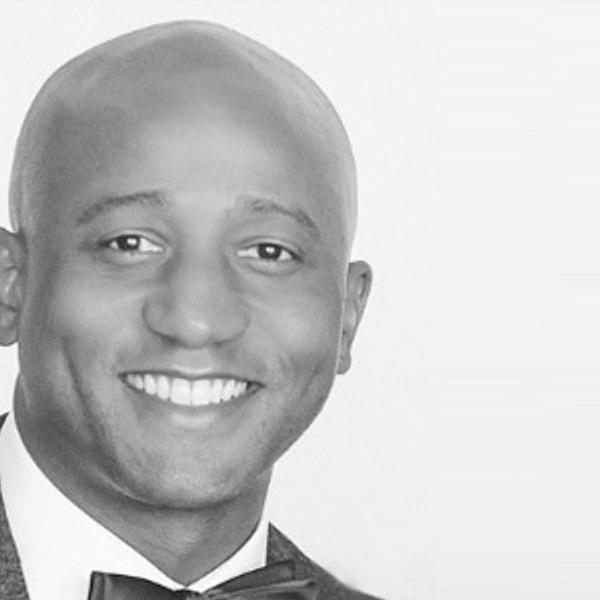
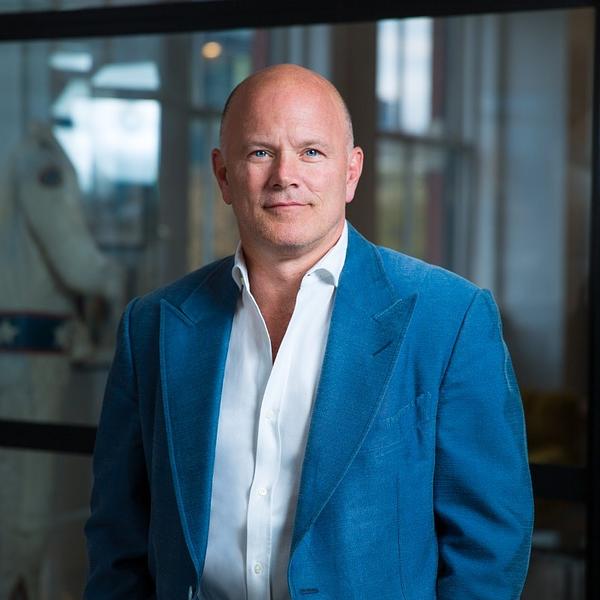
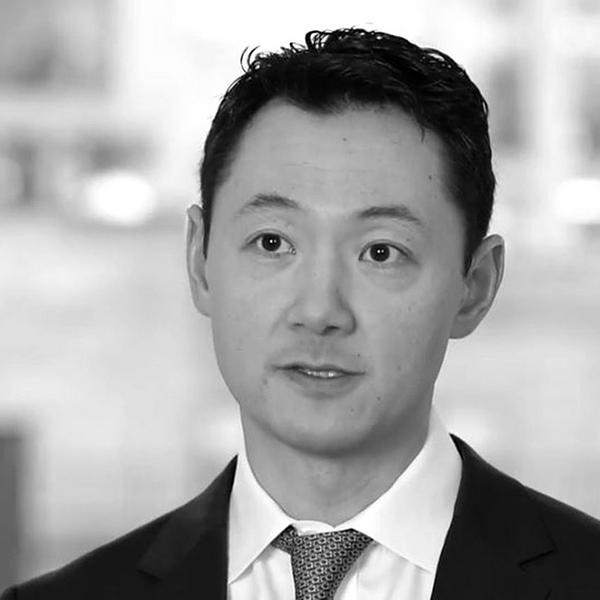
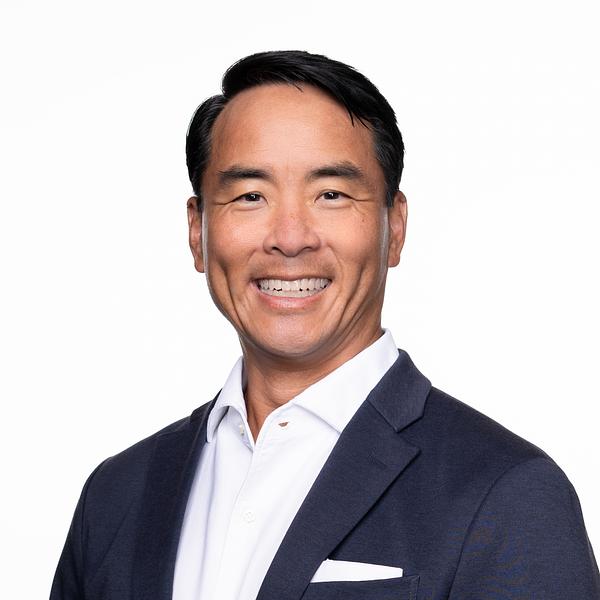
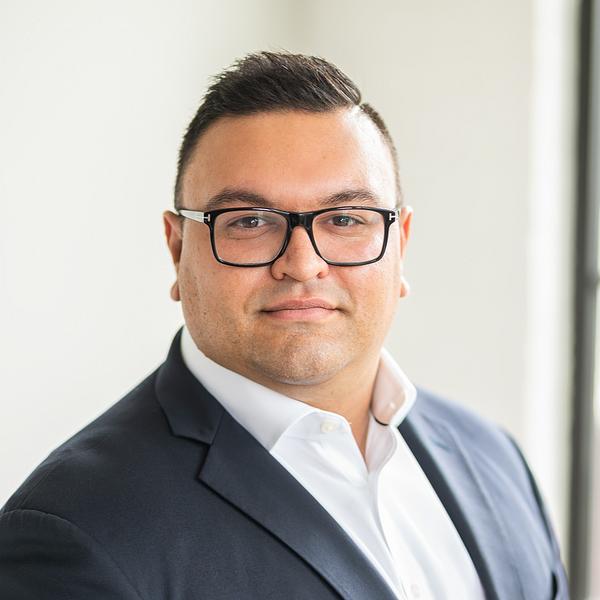
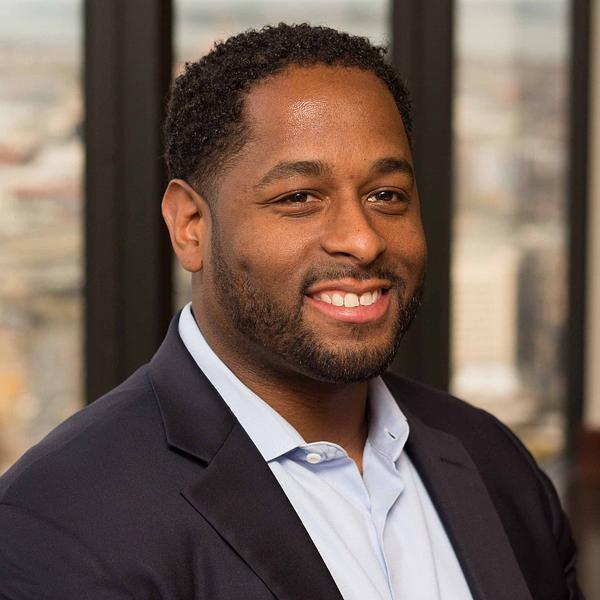
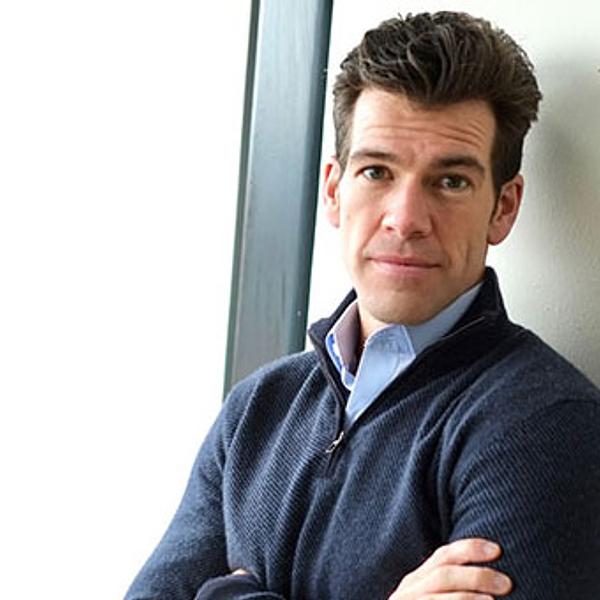
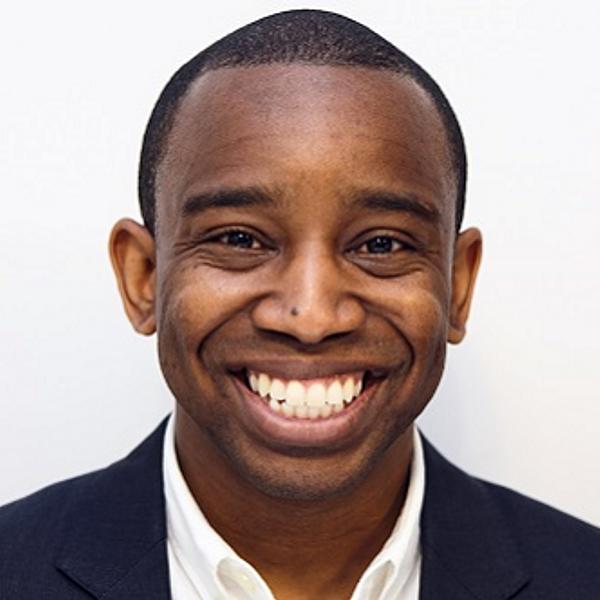
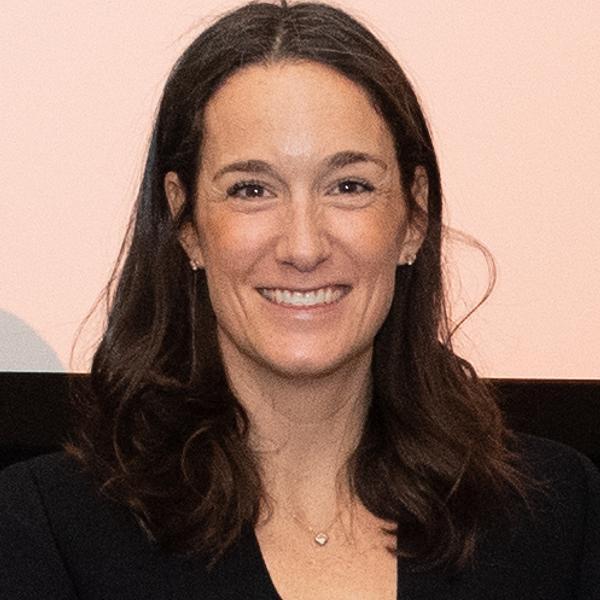
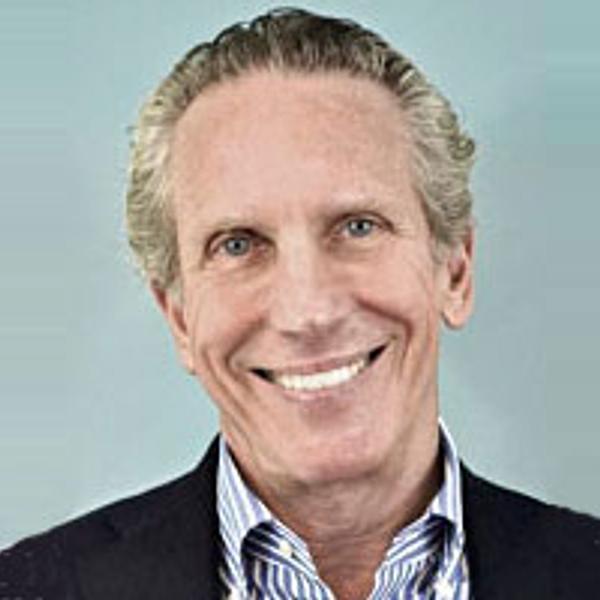
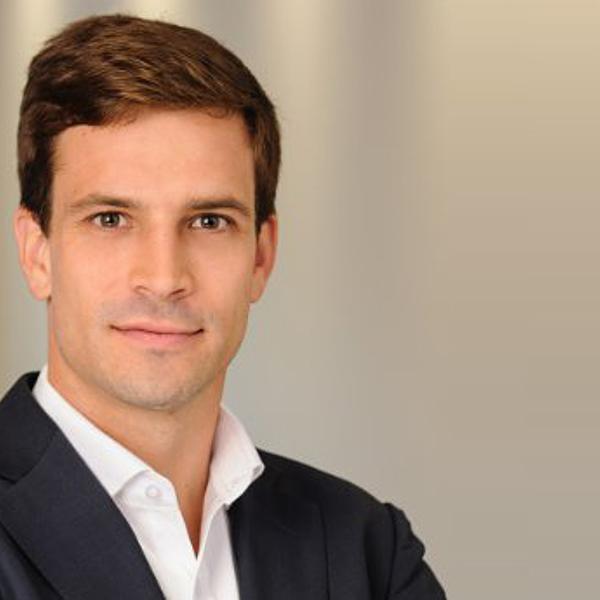
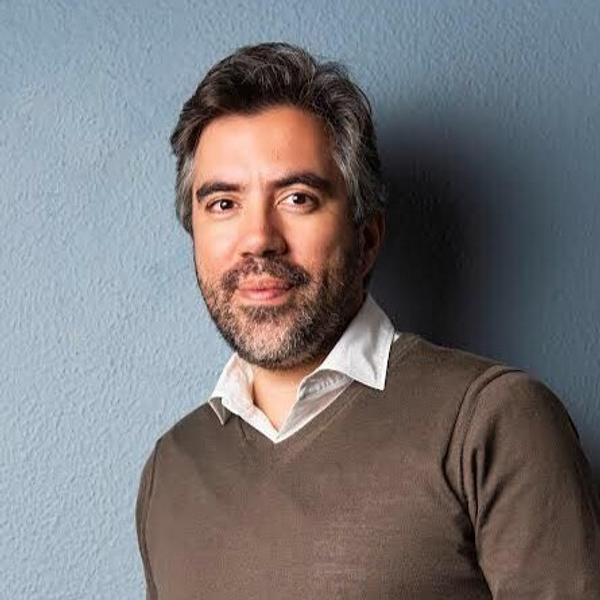
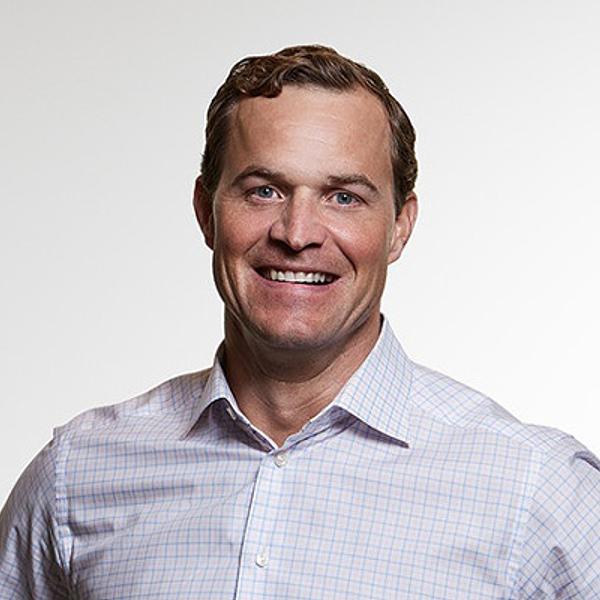
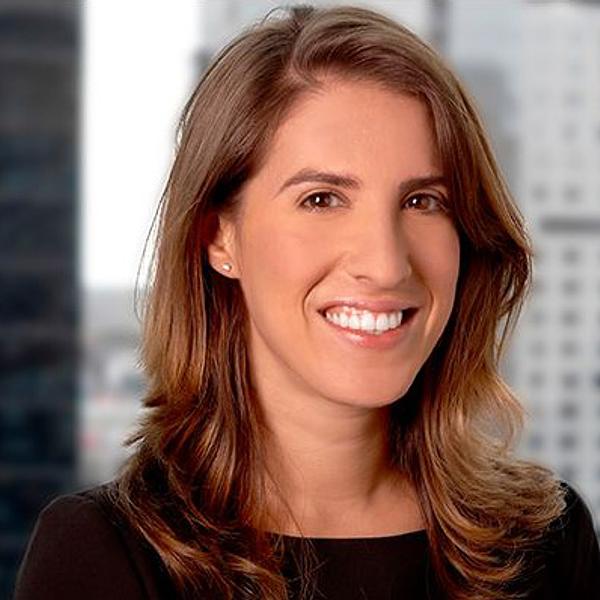
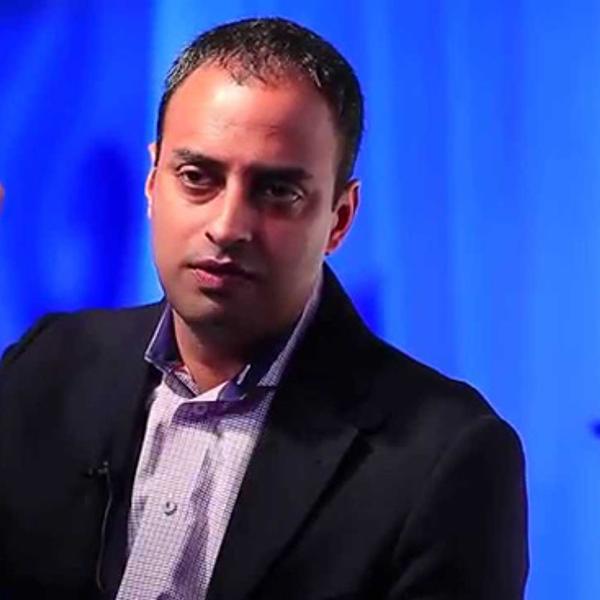
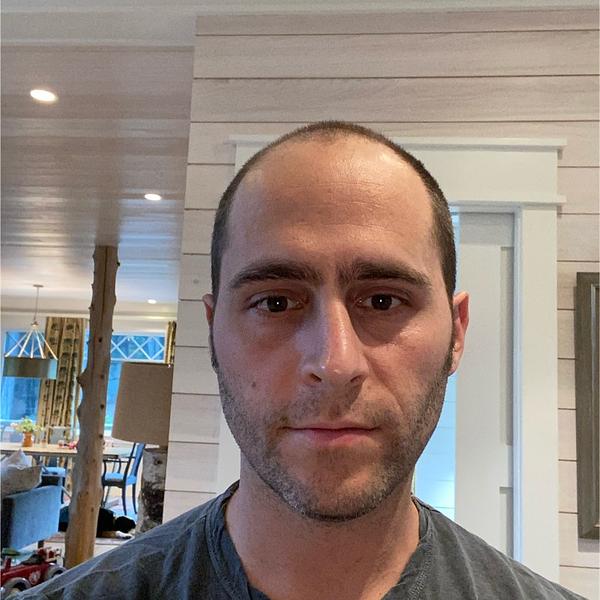
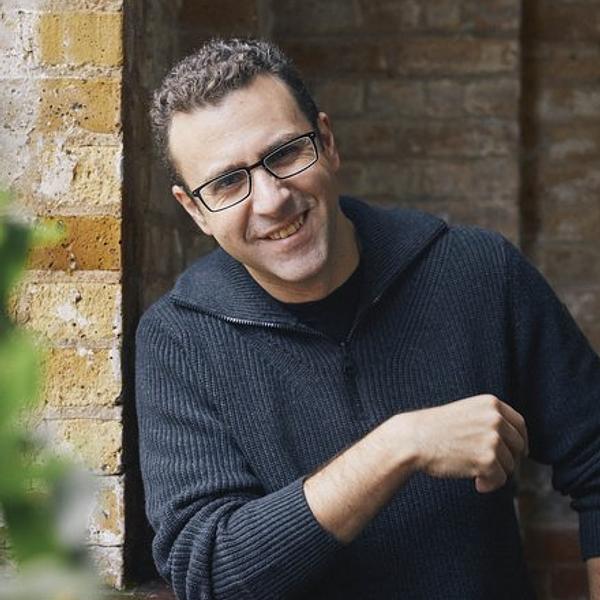
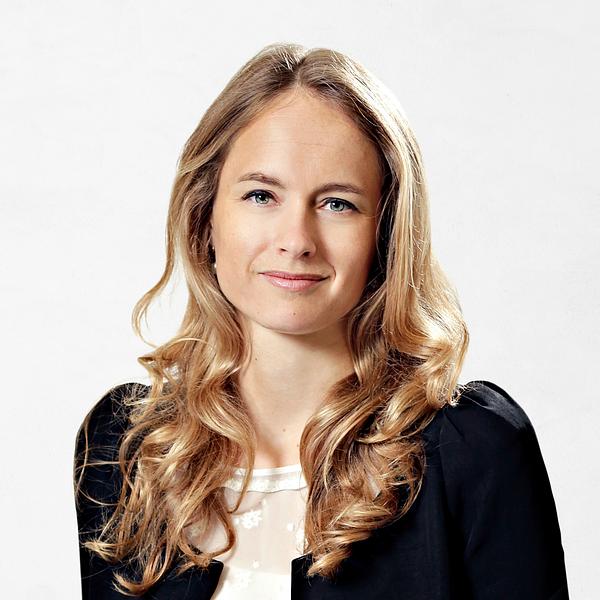
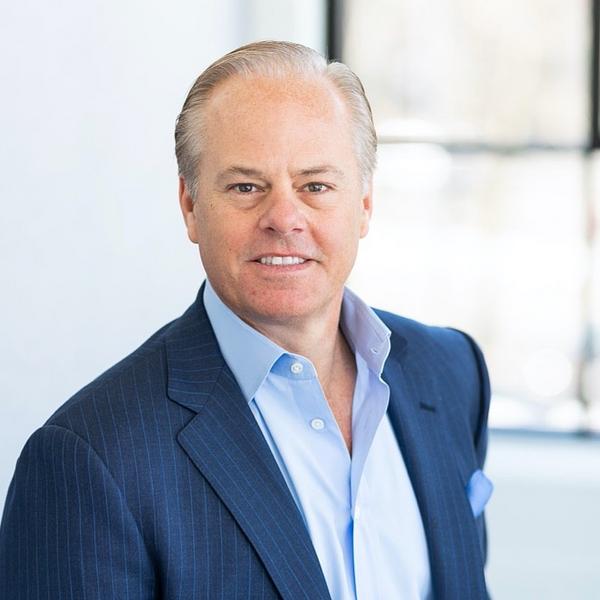
Key people at Goldman Sachs Investment Bank.
Goldman Sachs Investment Bank has 2 tracked investments across 2 companies. The latest tracked deal is $55.0M Series C in Navina in March 2025.
| Date | Company | Round | Lead Investor(s) | Co-Investor(s) |
|---|---|---|---|---|
| Mar 1, 2025 | Navina | $55.0M Series C | Goldman Sachs Investment Bank | Goldman Sachs, Grove Ventures, Vertex Ventures Israel |
| May 10, 2022 | MOMA Therapeutics | $150.0M Series B | Amit Sinha, Goldman Sachs Investment Bank | Alexandria Venture Investments, Casdin Capital, Cormorant Asset Management, Creacion Ventures, Invus, Lifesci Venture Partners, MOMA Therapeutics, Nextech Invest, Pavilion Capital, Rock Springs Capital, Section 32, Third Rock Ventures |
Goldman Sachs is a multinational investment bank and financial services company founded in 1869, renowned for its role in investment banking, securities trading, asset management, and advisory services.[1][2][5] Its mission centers on providing innovative financial solutions to clients, evolving from commercial paper trading to a global leader in mergers and acquisitions (M&A), underwriting, and wealth management, with a philosophy emphasizing long-term client relationships, entrepreneurial grit, and market innovation.[3][6] Key sectors include investment banking, fixed income, equities, commodities, real estate, and private wealth management, impacting the startup ecosystem through high-profile IPOs (e.g., Microsoft in 1986), M&A advisory, and capital raising for growth-stage companies.[2][5]
The firm maintains an elite reputation for trustworthiness and has pioneered practices like block trading, electronic research distribution, and "white knight" defenses in takeovers.[1][2]
Goldman Sachs began in 1869 when Marcus Goldman, a German Jewish immigrant born in 1821, opened a one-room basement office in Lower Manhattan to buy and sell promissory notes from merchants during a time of tight bank credit.[1][2][3][5][6] After working as a peddler and shopkeeper, Goldman built the business on his reputation for honesty, reaching $30 million in annual commercial paper trading by 1882.[4]
That year, his son-in-law Samuel Sachs joined as a partner, followed by Goldman's son Henry Goldman and son-in-law Ludwig Dreyfuss in 1885, formalizing the name Goldman Sachs & Co.[1][2][4] The firm joined the New York Stock Exchange in 1896, expanded nationally with offices in major U.S. cities by 1920, and entered investment banking in the early 1900s with IPOs like Sears Roebuck in 1906.[3][5] Marcus retired in 1900, and the firm went public in 1999 after internal debates on accessing capital.[2][3]
Goldman Sachs rides trends in financial technology and globalization, timing its growth with post-WWII capital needs, 1980s deregulation, and digital finance shifts.[2][5] Market forces like expanding IPO markets and M&A booms favored its underwriting prowess, as seen in tech deals like Microsoft's IPO amid rising equity demand.[2] It influences the ecosystem by enabling startup liquidity through IPOs and acquisitions, shaping Wall Street norms (e.g., block trading, deep-discount bonds), and advising on systemic changes like the Federal Reserve, while its asset management scales institutional tech investments.[3][4][5]
Goldman Sachs will likely deepen tech integrations like AI-driven trading and sustainable finance, building on its legacy of adaptation from promissory notes to global powerhouse.[2][5] Trends such as regulatory evolution, geopolitical shifts, and fintech competition will test its influence, potentially expanding into digital assets and emerging markets. Its network and track record position it to evolve as a key enabler in the startup ecosystem, sustaining elite status amid broader financial innovation—just as Marcus Goldman's grit launched it from a coal chute office to Wall Street dominance.[1][3][6]
Key people at Goldman Sachs Investment Bank.