Loading organizations...

Loading organizations...
1517 Fund: Venture capital firm investing in early-stage startups by young entrepreneurs, focused on software, deep tech, and biotech.
1517 Fund is a San Francisco, California-based venture capital firm that provides pre-seed and seed funding to early-stage startups led by young entrepreneurs, college dropouts, and uncredentialed scientists. The firm focuses its investments across a variety of complex sectors, including enterprise software, hardware manufacturing, deep technology, and biotechnology. Operating with more than $175 million in committed capital across four flagship funds and over 15 special purpose vehicles, the firm typically writes initial checks ranging from $50,000 to $1 million. To date, the firm has backed over 104 portfolio companies and completed more than 110 investments across North America and Europe. Notable portfolio companies include Figma, Luminar, Lambda, Loom, and nTop, with several entities achieving billion-dollar valuations or completing public offerings. 1517 Fund was founded in 2015 by Danielle Strachman and Michael Gibson.
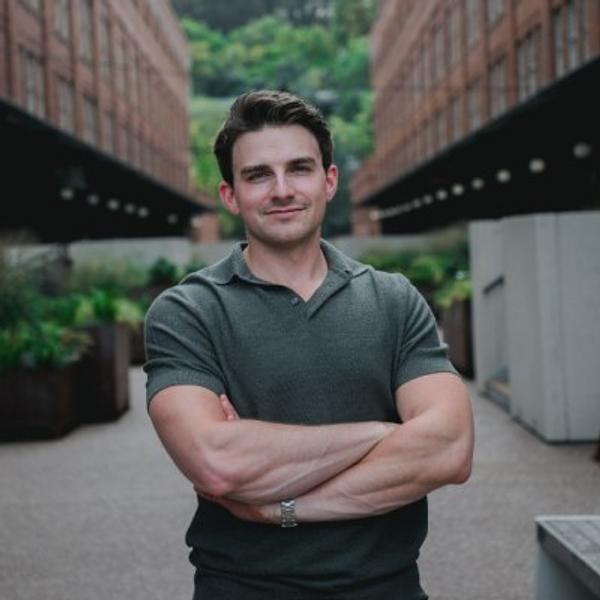
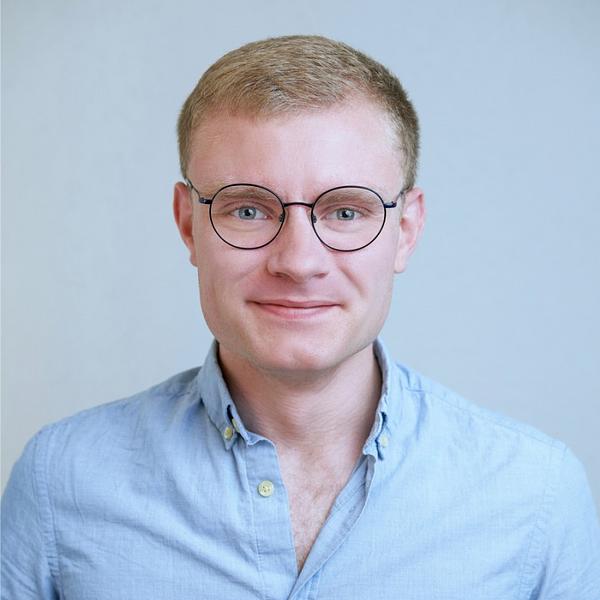
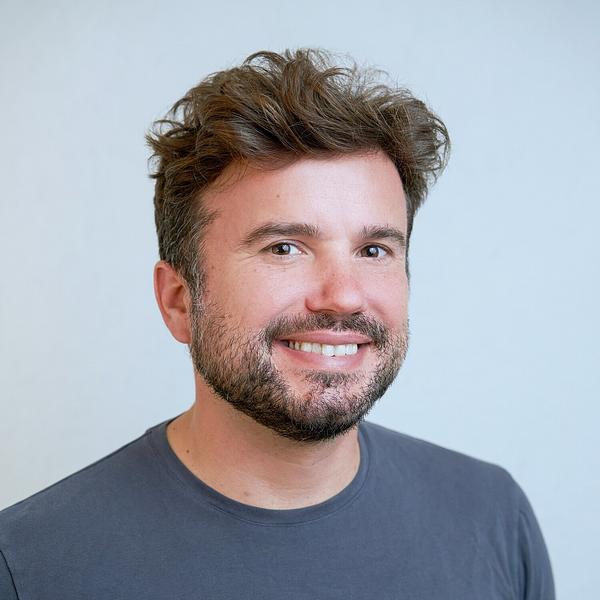
Key people at 1517 Fund.
Key people at 1517 Fund.
1517 Fund is a venture capital firm that provides pre-seed and seed funding to technology startups, focusing on early-stage investments ranging from $50,000 at the idea or R&D phase up to $1,000,000 for deep tech or sci-fi seed-stage companies. Their mission centers on supporting young entrepreneurs, college dropouts, renegade scientists, and founders pushing the boundaries of knowledge and science, particularly those without undergraduate degrees. The fund primarily invests in sectors such as software, hardware with data components, deep tech, sci-fi tech, and biotech. By backing unconventional founders and bold, frontier technologies, 1517 Fund plays a significant role in nurturing innovation outside traditional academic and institutional pathways, thereby enriching the startup ecosystem with diverse, high-potential ventures[1][2][4].
Founded in 2015 by Danielle Strachman and Michael Gibson—who previously co-founded the Thiel Fellowship in 2010—1517 Fund evolved from the Fellowship’s philosophy that great founders do not necessarily need university degrees. The Thiel Fellowship was a $100,000 grant program that supported young entrepreneurs like those behind Ethereum, Figma, and Luminar. Building on this foundation, 1517 Fund was created to scale this vision, offering both capital and community support to founders at the earliest stages of their companies, especially those working on "sci-fi-level" projects and deep tech innovations. This origin highlights the fund’s commitment to challenging traditional education models and fostering breakthrough technologies[1][2].
1517 Fund rides the trend of disrupting traditional educational and entrepreneurial pathways by backing founders who bypass conventional university routes. This timing is crucial as the rising costs and perceived limitations of formal education drive more innovators to seek alternative paths. The fund leverages market forces favoring deep tech, AI, biotech, and frontier science, sectors poised for transformative breakthroughs. By supporting early-stage, high-risk ventures, 1517 Fund influences the broader ecosystem by validating and accelerating unconventional founders and technologies, thereby expanding the diversity and scope of innovation globally[1][2][4].
Looking ahead, 1517 Fund is likely to continue scaling its support for deep tech and sci-fi-level projects, potentially increasing its fund size and expanding its global reach. Trends such as AI advancements, biotech innovation, and the democratization of technology development will shape its investment journey. The fund’s influence may grow as it further legitimizes non-traditional founders and catalyzes breakthroughs that challenge existing scientific and technological paradigms. This aligns with its founding ethos of empowering "dropouts, renegades, and mad scientists" to build the future[1][2][3].