Loading organizations...

Loading organizations...
RA Capital Management is a multi-stage investment firm, focused on company formation and evidence-based investing in healthcare and life science. It finances and builds companies developing drugs, medical devices, diagnostics, and research tools. TechAtlas, an internal division, rigorously analyzes scientific and clinical data, informing investment strategies and portfolio development.
Founded in January 2002 by Richard Aldrich and Peter Kolchinsky, RA Capital Management originated from the conviction that deep scientific expertise was paramount for successful healthcare investments. Peter Kolchinsky, a PhD, served as a founding leader, instilling a philosophy centered on meticulous scientific and clinical evaluation.
RA Capital serves a diverse portfolio of private and public healthcare and life science companies globally, across therapeutic areas and development stages. The firm’s vision translates scientific innovations into clinical realities, enhancing patient health. Furthermore, RA Capital supports ventures addressing climate change and environmental sustainability via its Planetary Health division.
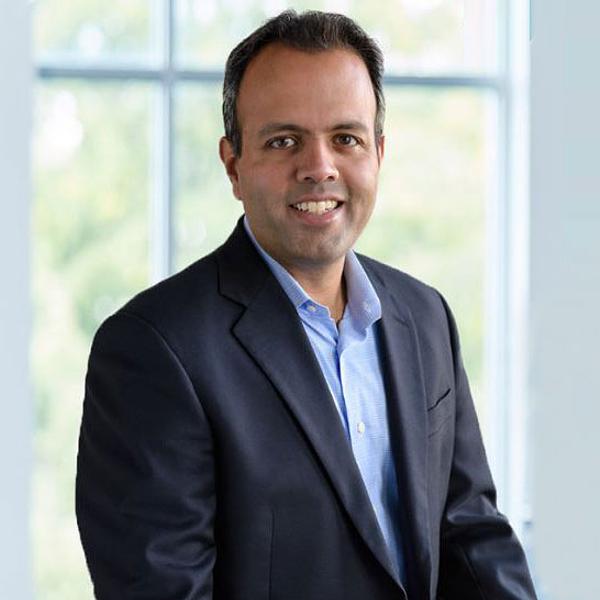
Key people at RA Capital.
Key people at RA Capital.




























RA Capital Management is a Boston-based multi-stage investment firm specializing in evidence-based investing and company formation in healthcare, life sciences, and planetary health sectors. The firm invests across public and private markets, supporting companies from seed stage through commercialization. RA Capital’s mission centers on advancing innovative drugs, medical devices, diagnostics, and research tools that improve patient outcomes and address global health challenges. Their investment philosophy emphasizes deep scientific research and data-driven decision-making, supported by their internal TechAtlas research division and incubator programs like Raven. RA Capital plays a significant role in the startup ecosystem by providing capital, operational support, and strategic resources that help early-stage companies grow and succeed in complex biotech and healthcare markets[1][2][3][4].
RA Capital was officially founded in 2004 by Richard Aldrich, a co-founder of Vertex Pharmaceuticals, and Peter Kolchinsky, a Harvard-trained virologist who joined early to invest seed capital. Initially established as a hedge fund focused on public biotech investments, the firm expanded into private company investing and venture funding over time. RA Capital’s evolution includes launching multiple venture funds starting in 2019 and creating incubators such as Carnot and RAVentures to nurture early-stage biotech innovation. In 2023, the firm expanded its focus to include planetary health, reflecting a broader commitment to sustainability alongside healthcare innovation[3][1][2].
RA Capital rides the trend of increasing convergence between deep scientific research and venture capital in healthcare and life sciences. The timing is critical as advances in biotechnology, diagnostics, and sustainability technologies create new opportunities for transformative therapies and planetary health solutions. Market forces such as rising healthcare demands, aging populations, and climate change drive the need for innovation that RA Capital supports. By integrating rigorous scientific analysis with flexible investment strategies, RA Capital influences the ecosystem by de-risking early-stage biotech ventures and accelerating their path to market, thereby fostering a more vibrant and productive innovation environment[2][3][4].
Looking ahead, RA Capital is poised to deepen its impact in both healthcare and planetary health sectors, leveraging its growing venture funds and incubator platforms. Trends shaping their journey include the increasing importance of sustainability in biotech, the rise of precision medicine, and the integration of AI and data analytics in drug development. RA Capital’s influence is likely to expand as it continues to blend scientific rigor with entrepreneurial support, potentially setting new standards for evidence-based investing and company building in life sciences. Their commitment to collaboration, learning, and innovation positions them well to remain a key player in shaping the future of healthcare and environmental technologies[4][3][2].