Loading organizations...

Loading organizations...

Mercury Fund is an early-stage venture capital firm that invests in disruptive AI and Blockchain startups. It leads Seed and Series A rounds, providing operational guidance and resources to capital-efficient businesses. The firm strategically targets core industries such as fintech, healthcare, and energy, focusing on markets beyond traditional coastal tech hubs.
Founded in 2005 by Blair Garrou, Aziz Gilani, and Dan Watkins, Mercury Fund recognized entrepreneurial talent thrived beyond major tech centers. The co-founders identified a significant capital imbalance in "Middle America" during the mid-2000s, prompting their support for underrepresented entrepreneurs and cultivating untapped potential. This strategic focus laid the groundwork for their investment thesis.
The firm's portfolio features innovative companies primarily in Texas and the Central U.S., serving diverse customers within their specific sectors. Mercury Fund aims to be a premier venture platform, delivering results for founders and investors while enhancing overlooked entrepreneurial communities. It actively seeks underrepresented opportunities across regions and market potentials, fostering broader ecosystem development.
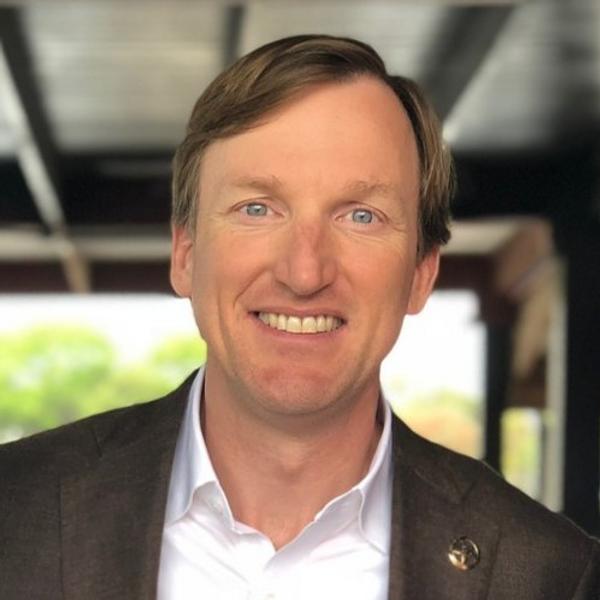
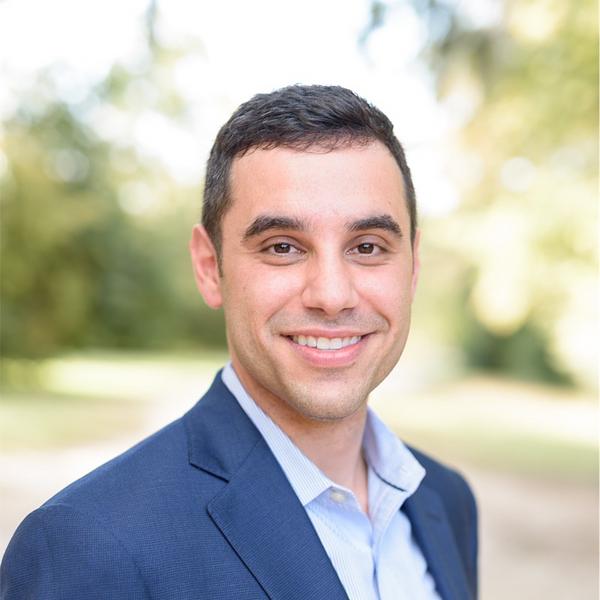
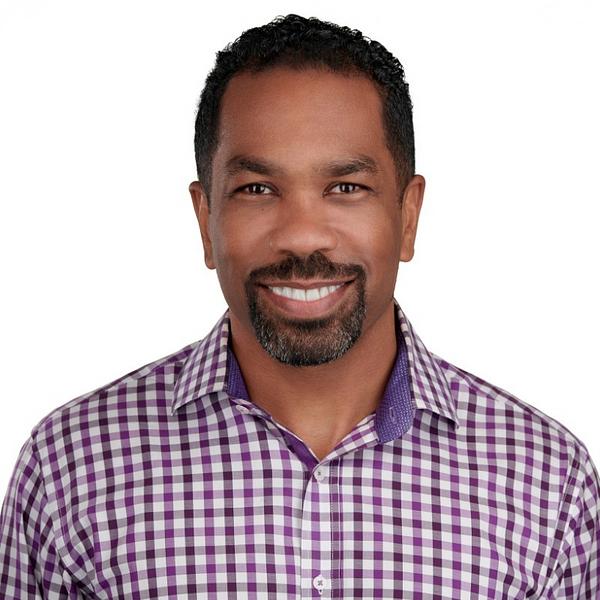
Key people at Mercury Fund.
Mercury Fund is an early-stage venture capital firm focused on investing in disruptive technology startups primarily located outside Silicon Valley, with a strong emphasis on Middle America. The firm’s mission centers on fueling innovation in historically overlooked entrepreneurial communities by partnering with both first-time and seasoned founders to drive rapid, sustainable growth. Mercury Fund targets capital-efficient startups, especially in sectors such as fintech, AI, retail, energy, manufacturing, logistics, healthcare, and defense, creating over $13.5 billion in value to date through an operationally focused investment strategy[1][2][3].
Founded in 2005 and headquartered in Houston, Texas, Mercury Fund was one of the first venture capital firms to recognize Middle America as a distinct and underserved region for startup investment. The firm’s founding partners aimed to address the supply-demand imbalance of capital in these "fly-over" states, initially defining underrepresented entrepreneurs as those outside coastal hubs. Over time, as cities like Boulder, Chicago, and Austin grew in prominence, Mercury evolved its focus to support a broader range of underrepresented founders using a unique playbook tailored to these emerging innovation ecosystems[2][7].
Mercury Fund rides the trend of decentralizing innovation and venture capital away from traditional coastal hubs, capitalizing on the rise of tech ecosystems in Middle America and other overlooked regions. This timing aligns with increasing digital transformation across core industries and a growing recognition that innovation is not confined to Silicon Valley. By backing startups that digitize customer journeys and reimagine legacy sectors, Mercury Fund influences the broader ecosystem by expanding access to capital and operational expertise, thereby fostering more inclusive and geographically diverse innovation[2][3].
Looking ahead, Mercury Fund is poised to continue leveraging its deep regional expertise and operational focus to identify and scale transformative startups outside the coasts. Trends such as AI integration, fintech innovation, and digital transformation in traditional industries will likely shape its investment trajectory. As more regions develop their innovation ecosystems, Mercury’s influence may grow as a leading catalyst for democratizing venture capital and supporting the next generation of disruptive companies across America[1][2][3]. This sustained commitment ties back to its founding vision of empowering underrepresented entrepreneurs and creating significant value beyond the established tech centers.
Key people at Mercury Fund.