Loading organizations...
Loading organizations...
KPMG functions as a global network of independent professional services firms, specializing in Audit, Tax, and Advisory services. It leverages advanced technology and expertise to deliver trusted advice and innovative solutions. Capabilities encompass artificial intelligence, environmental, social, and governance (ESG) consulting, and legal services, addressing complex client needs across diverse industries.
The KPMG network emerged in 1987 from the merger of Peat Marwick International and Klynveld Main Goerdeler. This combined the legacies of founders including Piet Klynveld, William Barclay Peat, James Marwick, and Dr. Reinhard Goerdeler. The central insight was integrating diverse national firms into a cohesive global entity, foreseeing the increasing internationalization and complexity of professional services.
KPMG serves leading organizations globally, providing insights and analysis to navigate complex business challenges. The firm's vision emphasizes driving progress, prosperity, and sustainability for future generations through its global reach and specialized skills. It transforms insights into opportunities, advancing business innovation while prioritizing human connections.
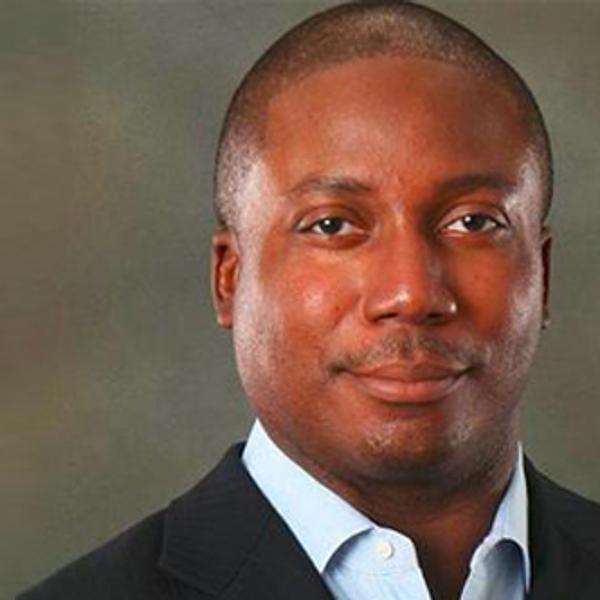
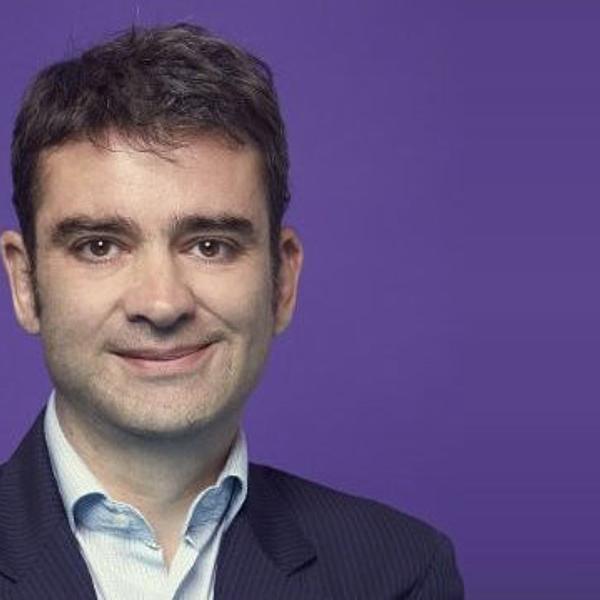
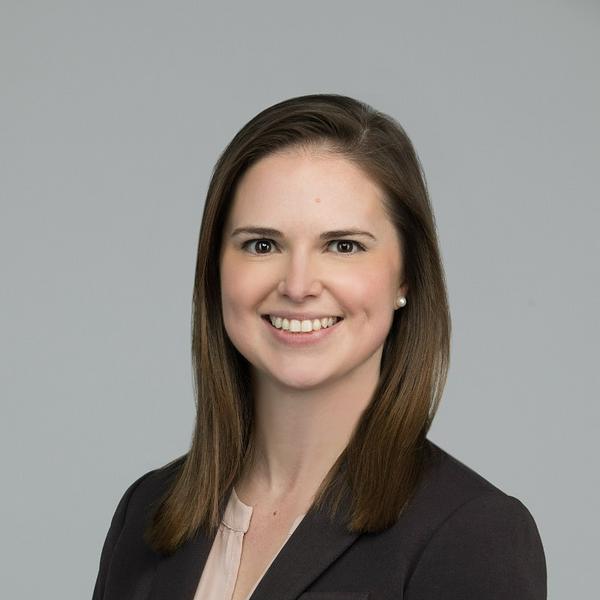
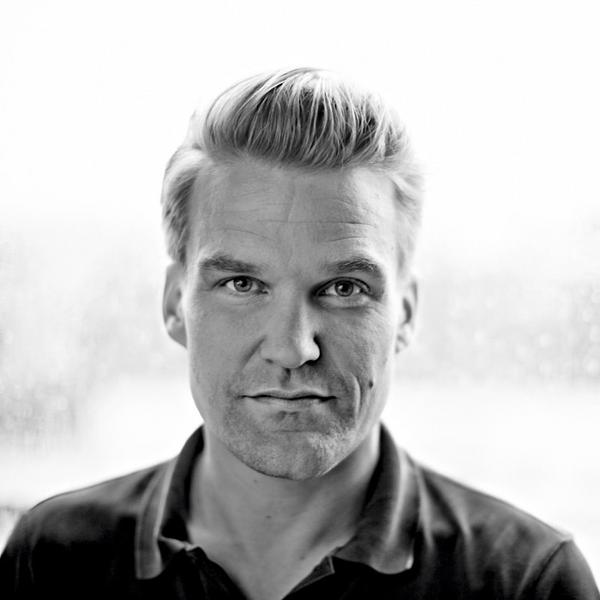
Key people at KPMG.
KPMG is a multinational professional services network, one of the "Big Four" accounting firms, delivering audit, tax, and advisory services to clients worldwide through independent member firms operating in 142 countries.[8][1][2] Founded via a landmark 1987 merger, it combines deep historical roots in accounting with modern global scale, serving businesses, governments, and institutions amid evolving regulatory and economic landscapes.[1][2][3] Unlike investment firms or startups, KPMG focuses on professional services rather than venture capital or product development, emphasizing integrity, innovation, and compliance in sectors like manufacturing, finance, and public policy.[1][2][6]
KPMG's roots trace to the late 19th and early 20th centuries, with key figures driving its formation: James Marwick and Roger Mitchell (the "M"), Scottish immigrants who established Marwick, Mitchell & Company in New York in 1897, pioneering accounting in the U.S. and contributing to the Federal Reserve System in 1913.[2][5][6] William Barclay Peat (the "P") built William Barclay Peat & Co. in London from 1891, rising from a teenage apprentice.[6] Piet Klynveld (the "K") founded a firm in Amsterdam in 1917, growing it into the Netherlands' largest by 1946.[1][3][6] Reinhard Goerdeler influenced the German arm.[3]
These lineages converged in 1979 as Klynveld Main Goerdeler (KMG), then merged with Peat Marwick International (PMI) in 1987—the largest accounting merger ever—forming KPMG (Klynveld Peat Marwick Goerdeler), headquartered in Amsterdam with instant $2.7 billion revenue.[1][2][3][5] This union addressed global competition, blending U.S., European, and international strengths for rapid expansion.[1][5]
KPMG rides trends in digital transformation, regulatory compliance, and ESG reporting, providing audit and advisory for tech giants, fintechs, and startups navigating data privacy (e.g., GDPR), cybersecurity, and AI ethics—critical as tech disrupts traditional industries.[1][2][8] Timing aligns with post-Industrial Revolution professionalization of accounting, evolving into tech-enabled services amid globalization and financial scandals demanding trusted oversight.[3][5][6] Market forces like rising M&A, international tax complexity, and sustainability mandates favor its scale, influencing ecosystems by shaping standards (e.g., cost systems, Fed audits) and supporting tech-financial hubs like the Isle of Man.[4][5][7]
KPMG will likely deepen tech integrations like AI-driven audits and blockchain tax tools, capitalizing on regulatory shifts from global events like digital economies and climate accords. Trends in sustainable finance and cyber resilience will amplify its advisory role, potentially through more tech acquisitions or alliances. Its influence may evolve from core accounting to ecosystem enabler, guiding tech's ethical scaling—echoing its 1987 merger that propelled it to Big Four dominance amid fierce competition.[2][5][8]
Key people at KPMG.