Loading organizations...
Clarium Capital Management is a global macro hedge fund focused on directional and liquid instruments across currencies, interest rates, commodities, and equities, based in San Francisco, California. At its peak, the firm managed more than $7 billion in assets under management before experiencing significant portfolio performance challenges during the 2008 financial crisis. The fund generated a 40 percent return in 2007 but subsequently faced a three-year cycle of losses, including a 23 percent decline in 2010. The firm's primary investment thesis historically centered on macroeconomic directional bets and peak-oil theory, operating alongside related entities like Valar Ventures, which was established by key personnel including Andrew McCormack and James Fitzgerald. Clarium Capital Management was founded in 2002 by Peter Thiel, who established the firm using $10 million in proceeds from the sale of PayPal.
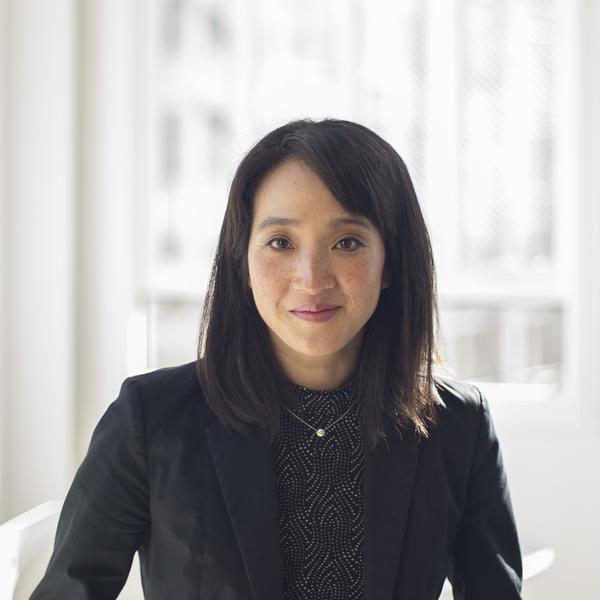
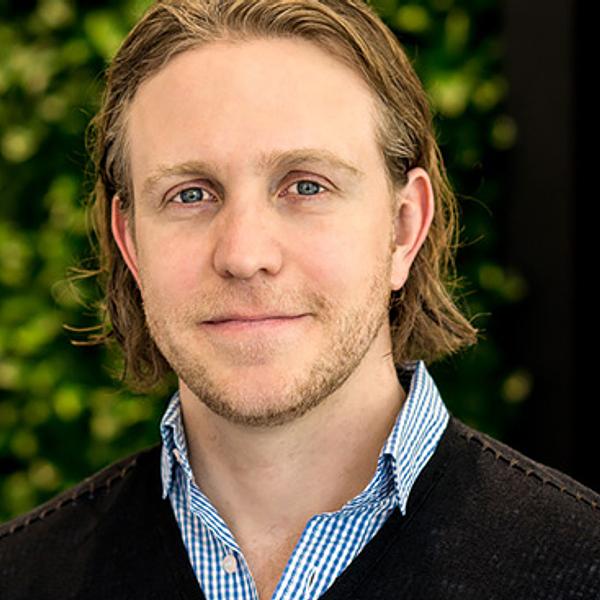
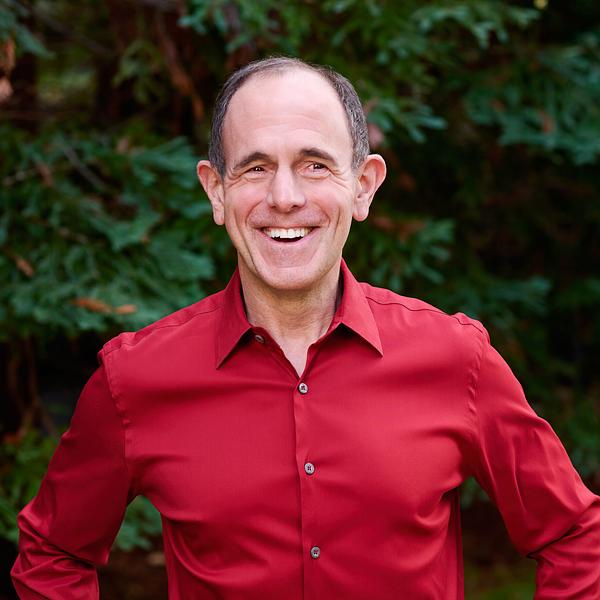
Key people at Clarium Capital Management.
Clarium Capital Management was founded in 2002 by Peter Thiel (Founder and President).
Key people at Clarium Capital Management.
Clarium Capital Management LLC was a San Francisco-based hedge fund specializing in a global macro strategy, founded by Peter Thiel in 2002 (with roots paused during his PayPal tenure).[1][2][3] Its mission centered on delivering absolute returns through high-conviction, directional bets on public equity (especially micro-cap stocks), fixed income, commodities, currencies, distressed debt, and private investments, driven by underappreciated global economic themes.[1][2][3] Unlike typical funds, it operated with a unique fee structure—0% management fee and 25% performance fee—and pursued opportunistic hedging across markets.[1] Assets peaked at $8 billion in 2008 but plummeted to $350 million by 2011 amid losses and redemptions; the firm shrank 90% by 2011 and was considered defunct by 2013, with no active role in the startup ecosystem post-winddown.[1]
Clarium emerged from Peter Thiel's vision after co-founding PayPal, where fund activities paused during his involvement there before resuming formally in 2002 in San Francisco.[1][2] Thiel, an early Facebook investor and PayPal alum, built it as an employee-owned firm targeting global macro plays.[1] Key evolution included rapid AUM growth to $7.8 billion mid-2008, a headquarters shift to New York in 2008 (reversed to San Francisco in 2010), followed by steep declines—down 4.5% in 2008, 25% in 2009, and 23% in 2010—triggered by unprofitable bets and client exits, leading to effective closure by 2013.[1]
Clarium rode early 2000s macro trends like commodity booms and financialization, peaking amid pre-crisis liquidity but faltering in the 2008 downturn and prolonged volatility.[1] Its timing capitalized on Thiel's tech-finance crossover, influencing views on contrarian global bets, but heavy losses highlighted risks of concentrated macro strategies amid market forces like investor flight to safety and regulatory scrutiny.[1] Post-defunct status by 2013, it left minimal direct ecosystem imprint—Thiel shifted focus to ventures like Founders Fund—serving more as a cautionary tale on hedge fund fragility than an active shaper of tech startups.[1][2]
Clarium's arc—from $8 billion powerhouse to defunct relic—underscores the perils of bold macro plays in turbulent eras, with no revival evident as of recent records.[1] Thiel's pivot to venture capital via Founders Fund absorbed its contrarian ethos, suggesting Clarium's legacy endures indirectly in his ongoing bets on AI, biotech, and disruptors.[2] Absent new activity, its influence remains historical, pondering lessons on fee innovation and timing in an era of persistent inflation, geopolitics, and tech-driven macros—tying back to its original high-conviction pursuit now evolved beyond the fund itself.[1][3]