Loading organizations...

Loading organizations...
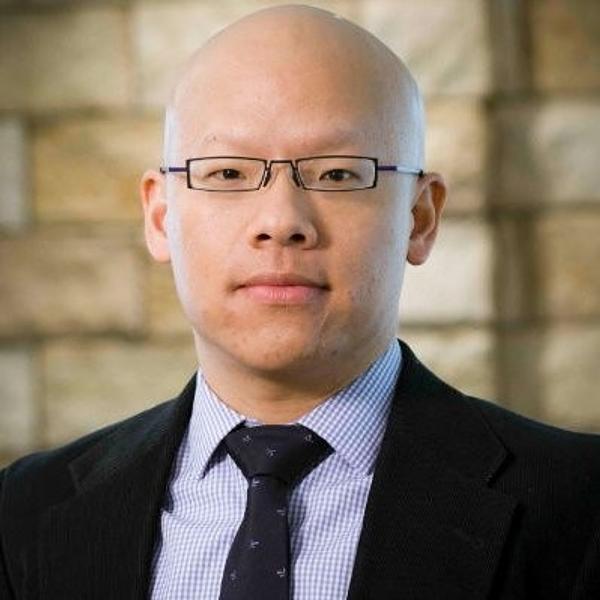
Key people at University of Kansas Medical Center.
The University of Kansas Medical Center (KUMC) is an academic medical institution providing education, research, and outreach via its Schools of Health Professions, Medicine, and Nursing. It advances health sciences and clinical practice by training healthcare professionals and conducting scientific inquiry, partnering with The University of Kansas Health System for patient care.
KUMC’s origin dates to 1905 when the University of Kansas opened its medical school in Kansas City, Kansas, training doctors and nurses. Offerings expanded, leading to independent Schools of Health Professions and Nursing in 1974. Clinical operations then transitioned to an independent hospital authority in 1998, establishing its present operational framework.
KUMC serves students, professionals, and communities, predominantly in Kansas. Its vision is to improve lives through continuous innovation across education, research, and healthcare. The institution is dedicated to developing future healthcare leaders and driving impactful medical discoveries.
Key people at University of Kansas Medical Center.
The University of Kansas Medical Center (KUMC) is a public academic medical center and health sciences campus of the University of Kansas, located in Kansas City, Kansas. It houses the KU Schools of Medicine, Nursing, and Health Professions, focusing on medical education, patient care, and research, particularly in cancer, cardiology, and trauma services[1][3][7]. Distinct from but historically linked to The University of Kansas Health System (the independent hospital), KUMC trains health professionals for primary care, specialized clinical needs, and bioscience innovation, contributing to Kansas's workforce and economic development[2][6][7].
KUMC serves patients regionally through affiliated care, educates future physicians, nurses, and allied health experts, and addresses healthcare gaps like rural practice and advanced treatments. Its growth includes NCI-designated comprehensive cancer center status in 2022, a Level I Trauma Center, and expanded graduate programs, marking steady momentum in academic medicine[1][2][5].
KUMC traces its roots to 1880 with a preparatory medical course at the University of Kansas, evolving into the full School of Medicine in 1905 thanks to a pivotal donation from Dr. Simeon Bishop Bell, who provided land and $100,000 for a hospital and school in Rosedale, Kansas, honoring his late wife[1][3][4]. The first Bell Memorial Hospital opened in 1906, quickly expanding with a larger facility in 1911 and relocation to its current 39th Street and Rainbow Boulevard site in 1924 amid debates over location[2][3].
Renamed the University of Kansas Medical Center in 1947, it boomed post-WWII under leaders like Dean Franklin D. Murphy and W. Clarke Wescoe, who drove the "Murphy Plan" for expansion, rural physician training, and research in cancer and heart disease during the 1950s-1960s[1][3]. Key moments include full four-year medical education by 1962, a Wichita campus in 1971, and separation from the state-funded hospital in 1997-1998, refocusing on education and research[1][2][3]. Nursing programs advanced from diplomas in 1906 to master's degrees in psychiatric nursing by 1968[5].
KUMC rides the wave of bioscience and translational research trends, bridging academic training with biotech workforce development amid rising demands for specialized care in aging populations and rural shortages[7]. Its timing aligns with post-1990s shifts to independent operations, enabling focus on high-impact areas like NCI cancer research during a U.S. surge in precision medicine funding[1]. Market forces favoring it include Kansas's bioscience economic initiatives and regional healthcare consolidation, positioning KUMC as a hub for innovation in heart disease, trauma, and mental health[2][3][5]. It influences the ecosystem by supplying trained professionals, fostering grants-driven discoveries (e.g., polio, cancer), and modeling integrated academic-clinical delivery[3][7].
KUMC is poised to expand its comprehensive cancer center leadership and bioscience output, leveraging affiliations for AI-enhanced diagnostics and personalized therapies amid national biotech growth. Trends like telehealth outreach and graduate program scaling will shape its path, amplifying rural impact and economic contributions. Its influence may evolve into a greater Midwest biotech anchor, building on a century of resilience from humble Bell Hospital origins to today's excellence in education and discovery.